

Exercise is one of the simplest and most effective ways to support gut health, yet many people with IBS feel unsure about it. Some worry that movement will trigger urgency, bloating, or discomfort. Others avoid exercise because they fear symptoms during a class, gym session, or run. These concerns are understandable, but research shows that gentle, regular movement has significant benefits for digestion, motility, stress regulation, and the gut brain axis.
A 2025 analysis of more than twelve thousand IBS related social media posts found that many people experience confusion or fear about exercise. Some described flare ups during high intensity routines. Others reported relief from walking, stretching, or yoga. These mixed experiences reflect the importance of understanding how different types of activity affect the body.
This article explains why exercise helps IBS, which forms of movement are most beneficial, and how to build a safe routine that supports comfort, confidence, and wellbeing.
Exercise influences several systems that are central to IBS.
Movement stimulates the natural movement of the intestines. This helps:
Gentle exercise is particularly useful for constipation dominant IBS.
Physical activity lowers stress hormones such as cortisol and adrenaline. Since stress strongly affects the gut brain axis, reducing these hormones often improves:
Regular movement increases parasympathetic activity, which supports digestion and reduces reactivity.
Studies show that exercise increases microbial diversity and the production of beneficial short chain fatty acids. These changes support healthier bowel function.
People with IBS often hold tension in the abdomen. Exercise helps release this tension, reducing discomfort.
Better sleep reduces next day sensitivity, pain, and worry.
Exercise helps IBS not by strengthening the stomach, but by regulating the systems that influence symptoms.
People with IBS often fear exercise for several reasons:
These fears are valid. However, the key is not avoiding movement. It is choosing the right type.
Different forms of exercise affect the body differently. The most helpful activities for IBS are low to moderate intensity and supportive of nervous system regulation.
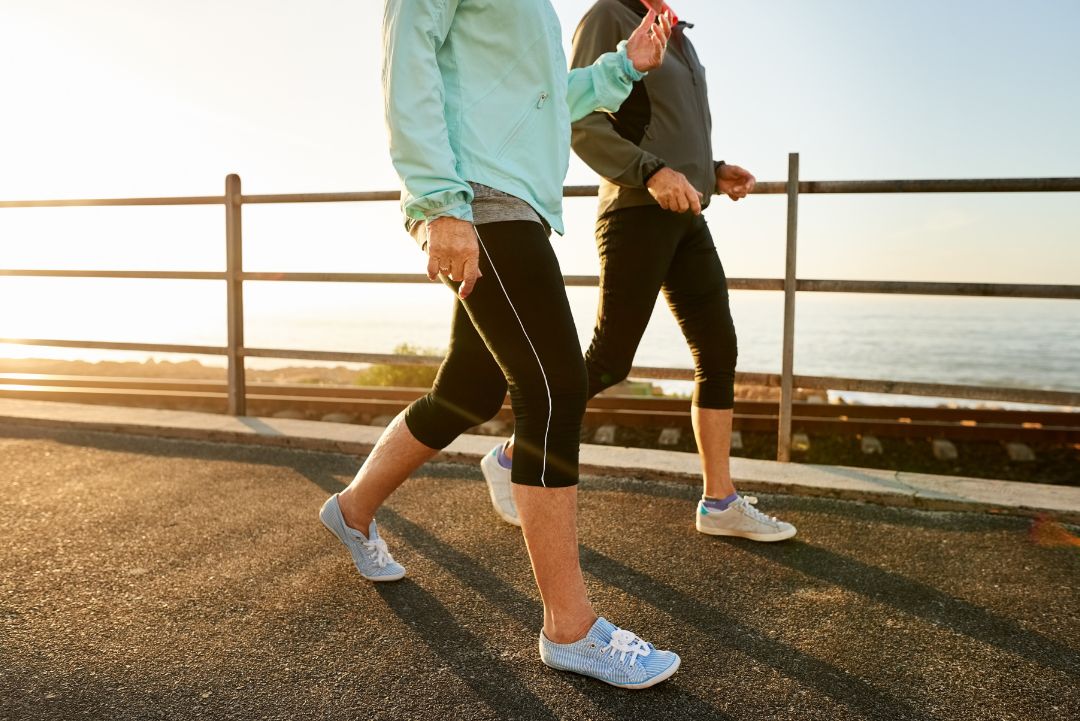
Walking is one of the safest and most effective exercises for IBS. It improves motility, reduces stress, and gently activates the abdominal muscles without strain.
Yoga supports the gut through:
Many people notice reduced bloating and calmer digestion.
Pilates strengthens deep core muscles and improves posture without increasing abdominal pressure. It helps release tension and improve physical confidence.
Swimming supports mobility without impact and can reduce abdominal discomfort through gentle water pressure.
Light to moderate strength training can improve mood, energy, and mobility. It should be introduced gradually to avoid straining the abdomen.
Gentle cycling is helpful for some people, especially for stress reduction. However, long rides or intense sessions may trigger symptoms.
Exercises that combine breath and movement, such as tai chi or qigong, are helpful for regulating the gut brain system.
These activities support digestion without overwhelming the nervous system.
Not all forms of exercise are ideal for IBS, especially at the start.
Intense workouts increase stress hormones and abdominal pressure, which may trigger urgency or pain.
Running can increase gut motility and cause jarring movements that worsen symptoms.
Intense abdominal exercises such as crunches or planks can increase gas trapping and discomfort.
High pressure movements can trigger bloating and pain.
This does not mean these exercises are off limits forever. They simply require careful pacing.
Choose low intensity movements and increase session length gradually. Ten minutes of walking is better than no movement.
Breathing during exercise reduces abdominal tension and calms the gut brain axis.
Wait 45 to 60 minutes after eating, especially for vigorous activity.
Hydration supports motility and energy.
If needed, choose routes or gyms with nearby facilities. This reduces anxiety.
Quiet times at the gym or walking in familiar areas build confidence.
Tight waistbands can increase bloating or discomfort.
Mild discomfort is normal, but sharp pain should be a signal to pause.
Regular gentle movement is more effective than occasional intense sessions.
Exercise is not only physical. It also changes how the brain and gut communicate. Movement:
These changes reduce the alarm signals that drive IBS symptoms.
A personalised approach is essential. What works for one person may not work for another. A safe plan may include:
The routine should evolve slowly as confidence increases.
People in the study often described improvements in symptoms with gentle exercise. Walking, yoga, and stretching were mentioned frequently as helpful. High intensity routines were more likely to be associated with symptom flares.
Posts that combined movement with breathing or mindfulness showed the most positive sentiment. This reflects how strongly the nervous system shapes IBS.
Exercise is a powerful, evidence based tool for improving IBS symptoms, regulating the gut brain axis, and supporting mental wellbeing. The key is choosing the right type of movement and building a consistent routine. Gentle exercise helps reduce stress, improve motility, and strengthen confidence. With the right approach, movement becomes a source of comfort rather than fear and helps restore a sense of control over the body.
Black CJ, Ford AC. Nature Reviews Gastroenterology and Hepatology. 2020.
Mayer EA et al. Nature Reviews Gastroenterology and Hepatology. 2020.
Chey WD et al. JAMA. 2015.
Hughes K et al. American Journal of Gastroenterology. 2013.
Shankar R, Yip AW. Scientific Reports. 2025.